CRS Scientist Spotlight on Anna Heinrich
Everyone is always learning and growing, no matter what stage of their career they are at.
Anna Heinrich
PhD Candidate, Duncan Lab
Anna Heinrich is a PhD candidate in the Duncan Lab. Her research focuses on understanding the significance of cumulus cell metabolism during late stages of ovulation.
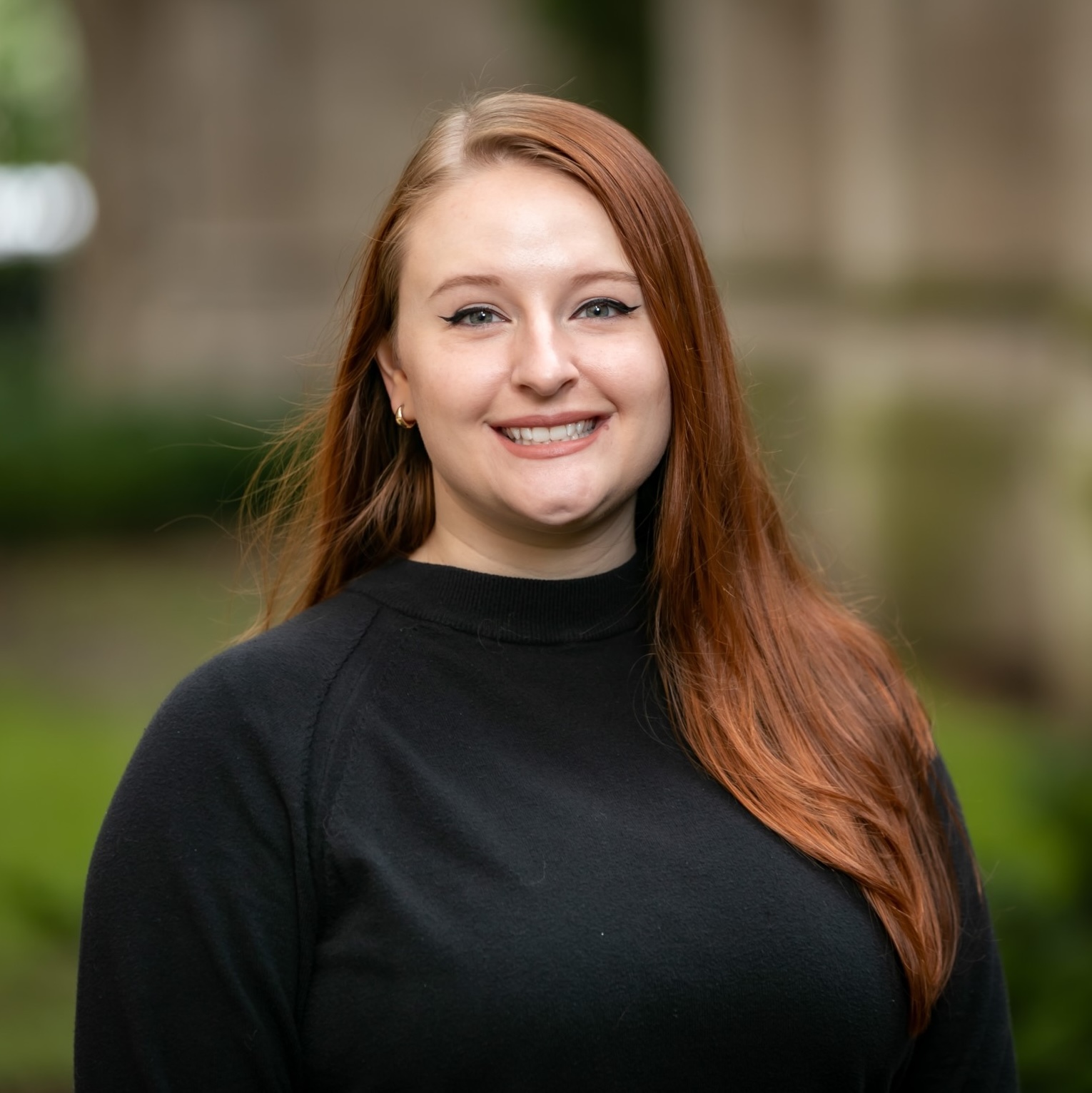
Thesis mentor: Francesca Duncan, PhD
Thesis title: "The requirement and function of metabolic activity in cumulus cells during late stages of ovulation"
What brought you to join the CRS community and what is your current position?
The community that CRS fosters is what initially drew me to Northwestern to pursue a PhD. Having come from a similar, though comparatively small, community of reproductive scientists in my previous lab, I really valued being surrounded by like-minded folks who were curious about the same biological processes as me. Seeing how large and collaborative the CRS community was at NU was a huge pull for me!
Could you describe your research?
My thesis project is focused on understanding the significance of cumulus cell metabolism during late stages of ovulation. Cumulus cells are the supportive somatic cells that surround an oocyte, and they are essential to providing metabolic support to the oocyte during the early stages of ovulation. However, the cumulus cells cease their connectivity to the oocyte approximately 6h prior to ovulation in the mouse. Despite this loss of connectivity, we have found evidence that cumulus cell metabolism persists and actually increases after they lose connection with the oocyte. I am investigating what intrinsic functions this continued metabolism supports during the later stages of ovulation and how advanced reproductive age affects this metabolism.
What aspect(s) of CRS do you find most valuable?
The community support is one of the most valuable things about CRS to me. I’m so grateful to have so many peers who are in similar areas of research that I can use as a sounding board when I am stuck on something, and that we are able to bond over all things science and non-science alike.
What has been the most valuable aspect to your training as a reproductive scientist?
Learning how to initiate and manage collaborations is one of the training skills I am most appreciative about right now. There are so many people in our field with ideas and skills different than our own and I love being able to share our ideas and enthusiasm with each other to keep pushing the science forward!
What is one piece of advice you would give to young scientists starting in their journey in science?
Everyone in science is going to face setbacks and rejections in some format- a no right now on something doesn’t mean you won’t get a yes in the future! Trust that you have many skills and talents that have helped get you to where you are now, and lean on your peers and mentors to help push through the setbacks you may face. Everyone is always learning and growing, no matter what stage of their career they are at.
What do you think will be the next big contribution in the reproductive biology field?
I may be biased being from the Duncan lab, but treatments to extend reproductive longevity in the ovary is growing more and more imperative. I think technologies to slow ovarian aging has huge applications not only for human reproduction, but for broader purposes such as conservation of endangered species.
What hobbies do you have outside of the lab?
I have about 20 beloved houseplants I enjoy taking care of and I’ve recently learned how to crochet!