Alumni Spotlight on Wyvern Wang
One of the most valuable aspects of CRS was its strong sense of community and mentorship
Wyvern Wang, MS
MS-RSM Class of 2025
Wyvern Wang is a graduate of the MS-RSM program, class of 2025. He completed the non-thesis track and conducted research with Dr. Pamela Monahan and Dr. Lindsey Block.
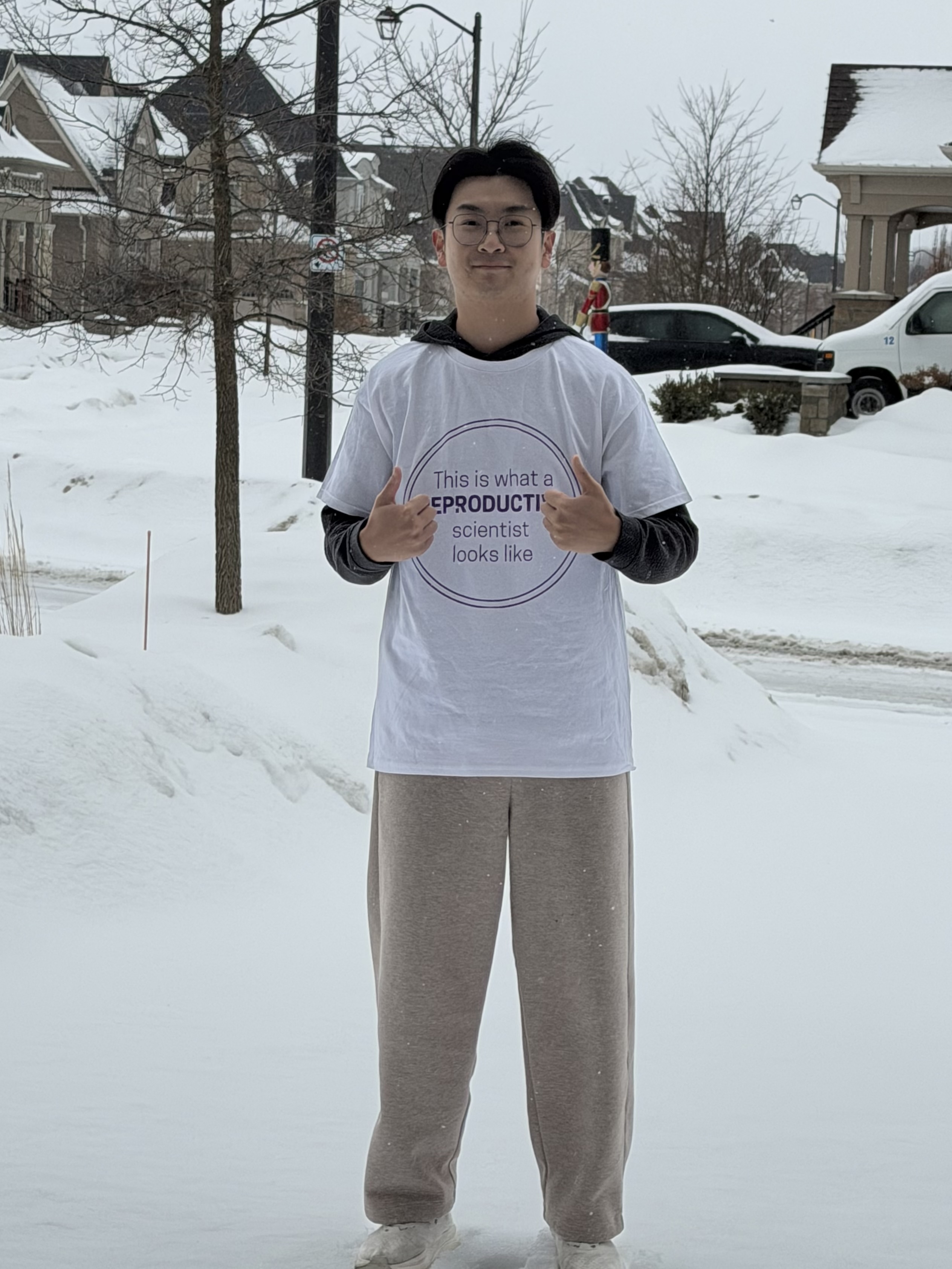
Mentors: Pamela Monahan, PhD and Lindsey Block, PhD
Project Title: "Unwrapping the Effects of Polyethylene Nanoplastic Exposure on Human BeWo Cytotrophoblasts"
What is your connection to the CRS community and what is your current position?
I was a non-thesis student in the MS-RSM program at Northwestern and was a trainee in the CRS community. I worked under the mentorships of Dr. Pamela Monahan and Dr. Lindsey Block. I am currently preparing for medical school while actively seeking out research opportunities.
Could you describe your current research/studies?
My previous research examined how exposure to polyethylene nanoplastics affects placental cytotrophoblast cells, specifically focusing on changes in apoptosis and proliferation. Currently, I am continuing to build on this foundation by preparing for the MCAT while exploring other opportunities in the research field.
What aspect(s) of CRS did you find most valuable?
One of the most valuable aspects of CRS was its strong sense of community and mentorship, which fostered both scientific growth and collaboration. The interdisciplinary environment, especially during RRU meetings, allowed me to learn from researchers across reproductive biology, medicine, and engineering, broadening my perspective on how reproductive science can be applied to real-world health challenges and informing me about ongoing scientific research.
What has been the most valuable aspect to your training as a reproductive scientist in CRS?
The CRS provided me with hands-on laboratory experience while emphasizing the importance of asking clinically relevant research questions. The mentorship I received helped me develop not only technical skills but also a deeper understanding of how experimental findings can translate into meaningful patient-centered outcomes, and to remain a curious scientist.
What would you recommend to junior scientists in order for them succeed in their scientific careers?
I would encourage junior scientists to be curious, resilient, and willing to ask questions (in and out of the lab) because this can open unexpected opportunities and strengthen both scientific and professional growth.
What do you think will be the next big contribution in the reproductive biology field?
I think the next big contribution in the field of reproductive biology will be the continued growth and advancement of microfluidic systems, combined with a deeper understanding of how environmental exposures influence fertility and pregnancy outcomes. These systems have the potential to improve both disease modeling and personalized reproductive care, with impacts beyond the reproductive field.
Do you have any notable stories from your time in CRS?
One of my most memorable experiences in CRS was meeting a wide range of professors and physicians through the RRU meetings at the Northwestern University Center for Reproductive Science. These interactions gave me the opportunity to shadow physicians, where I gained firsthand experience in patient care and learned how reproductive research directly informs clinical practice. This experience reinforced my interest in pursuing a career that integrates scientific discovery with patient-centered care and community impact.