Alumni Spotlight on Dr. Alina Murphy
I think the collaboration and support of my peers made it possible to succeed in CRS.
Alina Murphy, PhD
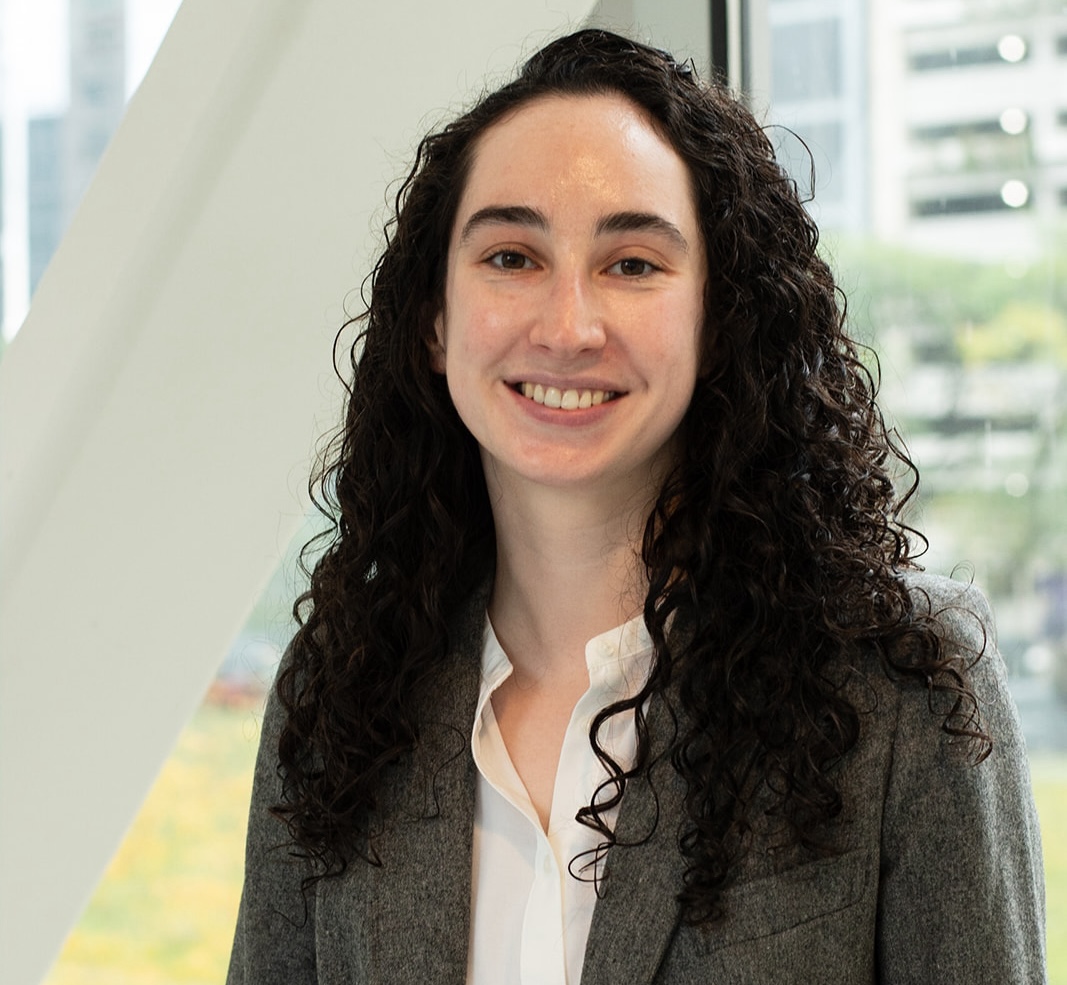
Alina Murphy, PhD, is a CRS alum. She received her PhD from Northwestern and was a graduate student in the Kim Lab. She is currently a postdoc in Dr. Catalina Lee-Chang's lab in the Department of Neurological Surgery.
Thesis mentor: Julie Kim, PhD
Thesis title: "The Impact of High Adiposity on Endometrial Progesterone Response and Metallothionein Regulation"
What is your connection to the CRS community and what is your current position?
I did my PhD in Julie Kim’s lab. I’m currently a postdoc in Dr. Catalina Lee-Chang’s lab in the Department of Neurological Surgery.
Could you describe your current research/studies?
My research is completely different from my thesis work. I’m investigating how the glioblastoma microenvironment contributes to immunosuppression in the tumor, and in particular how myeloid cells prevent B cells from differentiating to become antibody-producing cells.
What aspect(s) of CRS did you find most valuable?
Looking back, I appreciate how RRU provides a supportive environment to practice presentation skills and get feedback. That’s not always a given.
What has been the most valuable aspect to your training as a reproductive scientist in CRS?
I think the collaboration and support of my peers made it possible to succeed in CRS.
What would you recommend to junior scientists in order for them succeed in their scientific careers?
I’d say it’s important to follow your interests and research questions where they lead you. Don’t confine yourself to what you’re currently studying because you feel intimidated or stuck. I had to learn a lot to start studying tumor immunology, but I’m glad I did.
What do you think will be the next big contribution in the reproductive biology field?
I hope we will see more investigation into the immunology of reproductive biology and gynecological cancers and possible immunotherapies. We have a long way to go, and I think reproductive research would greatly benefit from collaborations with immunologists. Also, in my current department, there is a lot of emphasis on developing therapeutics for clinical trials, which would be nice to see in CRS.
Do you have any notable stories from your time in CRS?
A friend and I were recently reminiscing about our time in the lab during the covid shutdowns. They were stressful times, but the lab camaraderie helped a lot.