CRS Scientist Spotlight on Aubrey Converse, PhD
Keep an open mind, research trajectories often change, and try to gain and maintain connections at all stages of training.
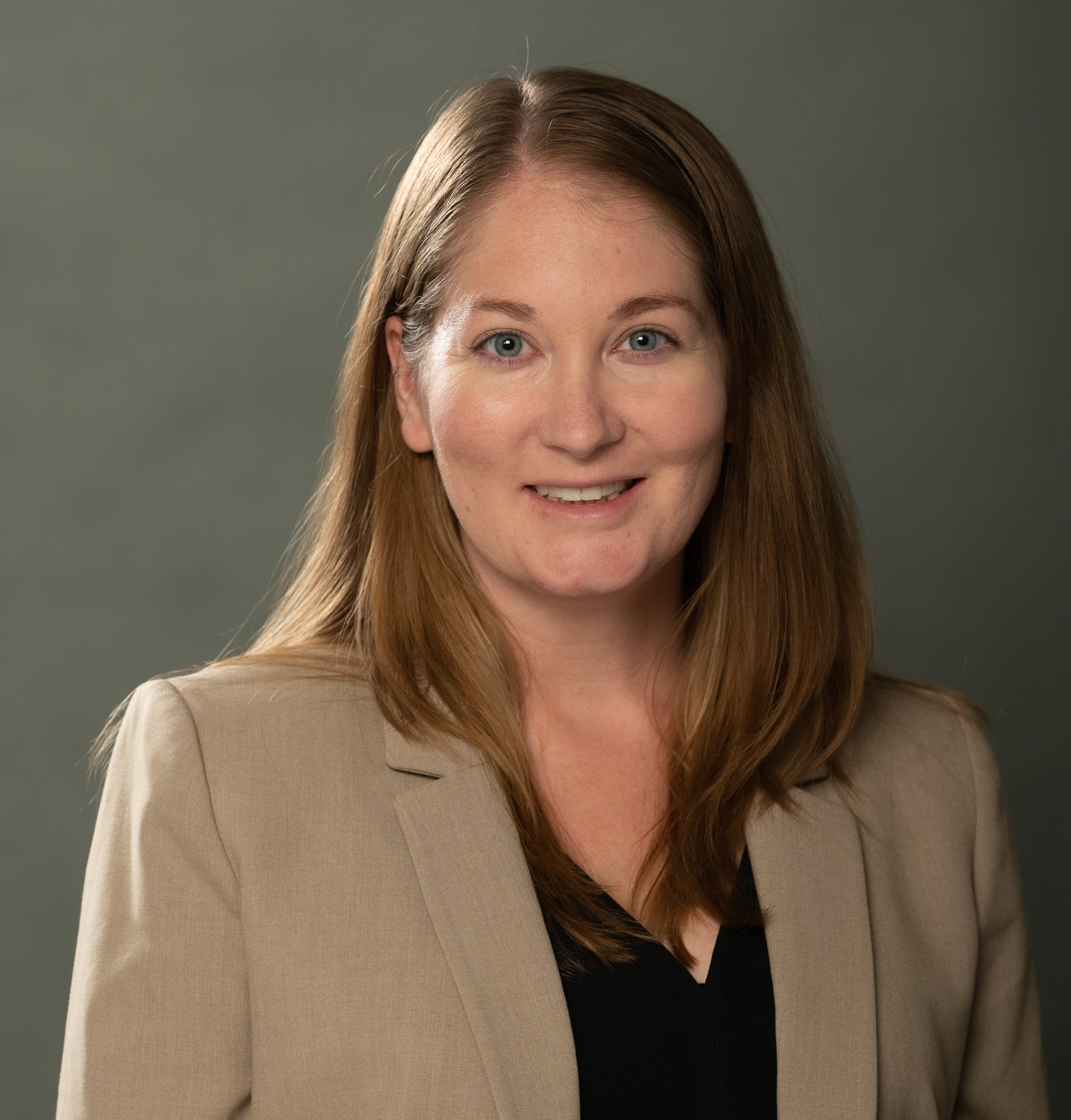
Aubrey Converse, PhD
Research Assistant Professor
Aubrey Converse, PhD, is a Research Assistant Professor in Dr. Francesca Duncan's lab. Her research focuses on investigating how age-specific endocrine and intracellular signaling networks modulate the decline in female fertility.
What brought you to join the CRS community and what is your current position?
I joined Dr. Francesca Duncan’s lab in 2021 as a postdoctoral scholar. I am now a Research Assistant Professor in the Duncan Lab.
Could you describe your research?
My research generally looks to understand the mechanisms vital to female reproduction and determine if their disruption contributes to declined ovarian function in aging and pathological phenotypes. I’m currently investigating how age-specific endocrine and intracellular signaling networks modulate the decline in female fertility. Specifically, my projects examine how age-specific forms of follicle-stimulating hormone affect folliculogenesis, and how immune signatures acquired during ovarian aging impact the decline in gamete quality.
What aspect(s) of CRS do you find most valuable or look forward to engaging in?
As a trainee I enjoyed the numerous opportunities for career development. The career catalysts and seminar series are top-notch. Additionally, the size and diversity of the CRS community allow for unique collaborations and networking opportunities.
What has been the most valuable aspect to your training as a reproductive scientist?
The Frontiers in Reproduction course at the Marine Biological Laboratory in Woods Hole. I attended as a first year postdoc, and the scope of the course and extensive ability to network and collaborate has greatly impacted my academic trajectory. I recommend any trainees who are interested apply!
What would you recommend to junior scientists in order for them to succeed in their scientific careers?
Research can sometimes be intimidating and unfruitful but stick with it if you love it. Keep an open mind, research trajectories often change, and try to gain and maintain connections at all stages of training.
What do you think will be the next big contribution in the reproductive biology field?
Innovative means of translating omics data back to basic research will be essential to moving the field forward.
What hobbies do you have outside of the lab?
I’m kept busy with my young daughter, but I enjoy cooking and exploring Chicago in my free time.